How Reiki Healing Helps Reduce Stress and Anxiety Naturally
How Ancient Japanese Reiki Healing Helps Reduce Stress and Anxiety Naturally: A Comprehensive, Holistic, Scientific and Spiritual Guide | Aura Nest Healing
SPIRITUAL HEALING
Aura Nest Healing
4/30/20269 min read
How Reiki Healing Helps Reduce Stress and Anxiety Naturally: A Holistic, Scientific & Spiritual Guide
Overview of the Article
In an age where relentless and ruthless schedules, digital overstimulation, emotional fatigue, silent anxiety and everlasting stress have become a new normal and common realities, many people are searching for natural and meaningful healing methods. One such profound yet powerful practice is Reiki healing which is quite effective in managing stress and anxiety on a long-term basis. Rooted in ancient wisdom yet increasingly explored by modern science, Reiki offers a gentle path toward balance, peace, and inner restoration.
This comprehensive guide offers a very simple and practical understanding of Reiki healing, unveiling its ancient origins, spiritual essence, and growing scientific relevance in today’s wellness landscape. It also explores how Reiki supports the mind, body, and emotions by easing stress, calming anxiety, restoring inner balance, and enhancing overall wellbeing. The article also sheds light on what to expect during a Reiki session, common misconceptions, its role in modern healthcare settings, and how this gentle healing modality can become a transformative part of one’s self-care journey.
What is Reiki?
Spiritual Perspective
Reiki is an ancient Japanese energy healing practice which was rediscovered by Dr. Mikao Usui, based on the principle that a powerful universal life force flows through all the living beings. When this energy moves perfectly and harmoniously, we experience vitality, emotional clarity, and inner peace. When this energy is blocked or depleted, we may feel stressed, anxious, fatigued, or emotionally burdened.
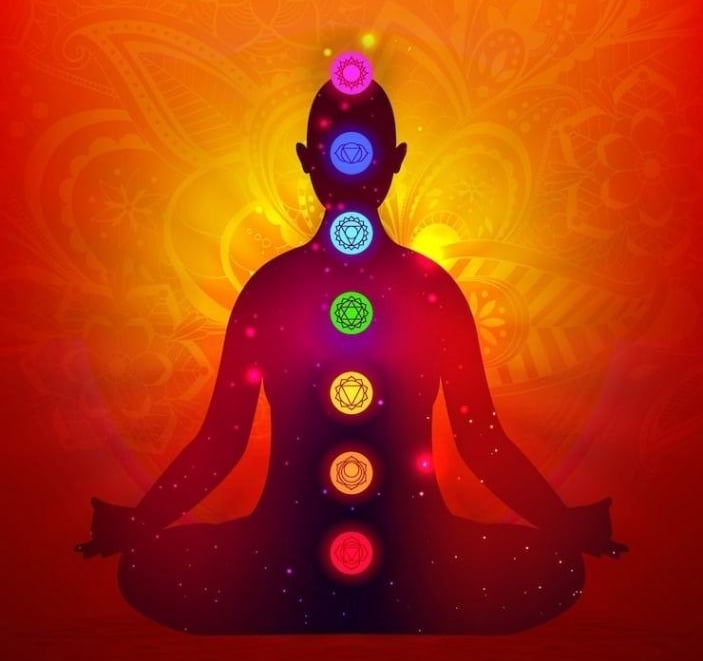
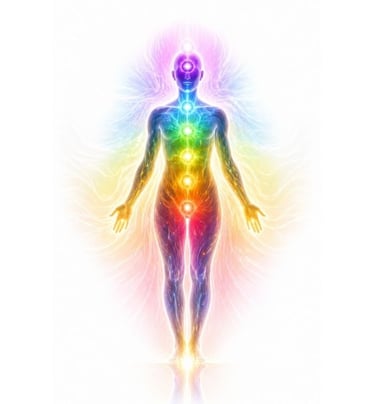
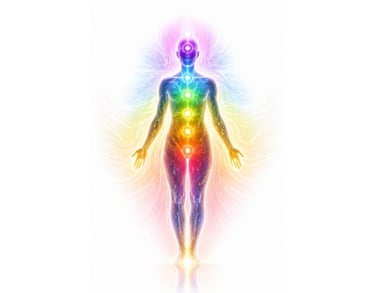
Reiki works by gently restoring energetic harmony through the hands of a trained practitioner, thus allowing the natural flow of life force energy to move more freely within the system. Many people also associate Reiki with the balancing of Seven main body chakras, the vital energy centres believed to influence physical, emotional, mental, and spiritual wellbeing. By supporting these subtle energy centres and the emotional body, Reiki may help release energetic blockages, promote inner alignment, and cultivate a deeper sense of peace and vitality.
Scientific Perspective
From a scientific perspective, Reiki is often studied as a complementary or alternative healing or wellness therapy that may help activate the parasympathetic nervous system, the body’s “rest and repair” mode. During Reiki sessions, individuals often report:
Reduced heart rate
Deeper relaxation
Lower perceived stress
Improved mood
Better sleep quality
Emotional calmness
While science continues to explore the exact mechanisms, many researchers suggest that Reiki’s benefits may arise through relaxation response, therapeutic presence, touch or near-touch comfort, mindfulness states, and nervous system regulation.
History and Origin of Reiki
Reiki was rediscovered, modernized, popularized and systematized in Japan by Mikao Usui in the early 20th century. After a deep spiritual quest and divine meditative experience on Mount Kurama, Usui developed a healing method centered on compassion, intention, and universal life energy.
The pious practice later spread globally through spiritual teachers such as Chujiro Hayashi and Hawayo Takata, eventually reaching hospitals, wellness centres, and homes worldwide.
Today, Reiki is practiced across cultures as a gentle complementary healing modality.
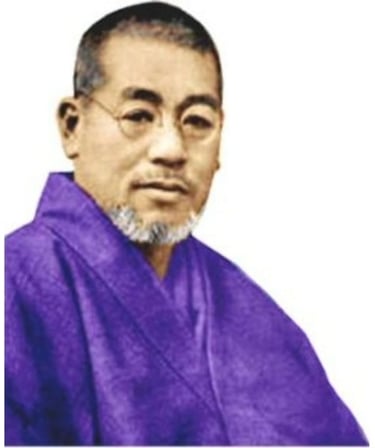
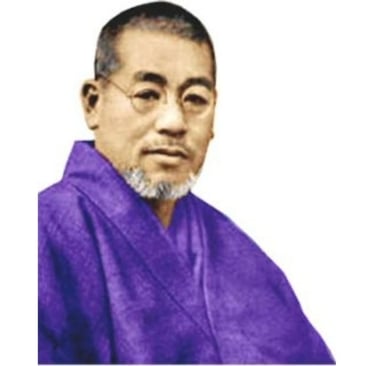
Dr. Mikao Usui
Why Reiki is Necessary in Today’s World
Modern life often disconnects people from silence, presence, and emotional equilibrium. We live in an era of:
Chronic stress
Sleep disturbances
Burnout
Emotional suppression
Anxiety disorders
Social isolation
Digital exhaustion
Anger mismanagement
Reiki is necessary today because it offers something very rare and luxury now a day: stillness, nervous system soothing, emotional release, and reconnection with self. It is non-invasive, natural, and deeply restorative.
How Reiki is Beneficial for Overall Health
Although Reiki is not a substitute for medical treatment, but it may support holistic wellbeing in many ways:
Physical Wellness Benefits
Supports deep relaxation and inner peace
Improves sleep patterns
Helps reduce muscular tension
Enhances recovery from fatigue
Encourages mind-body balance
Supports immune resilience through stress reduction
May ease discomfort perception
Energetic Benefits
Balances all body chakras or energy centres
Clears stagnant emotional energy
Restores vitality
Promotes inner alignment
How Reiki is Beneficial for Emotional Health
Emotional distress often lives in the body as tension, restlessness, numbness, or overwhelm. Reiki can help by creating a safe inner space where emotions can soften and process smoothly and naturally. As the nervous system begins to relax, stored emotional pressure may gradually release, allowing greater clarity, stability, and ease. This gentle healing process often nurtures self-awareness, emotional resilience, and a renewed sense of inner balance.
Emotional Benefits of Reiki Healing
Reduces emotional heaviness
Helps release suppressed feelings
Promotes self-love and acceptance
Encourages clarity during confusion
Supports grief healing
Enhances emotional resilience
Creates inner peace and confidence
For many, Reiki becomes a sanctuary from constant mental noise.
Reiki Healing for Stress Relief
One of the most searched wellness solutions today is Reiki healing for stress and for good reason.
Stress activates cortisol, shallow breathing, tension, irritability, and overthinking. Reiki invites the exactly opposite response: calm, softness, spaciousness, and balance. By guiding the body into a restorative state, Reiki may help quiet mental chatter, ease physical strain, and replenish depleted energy. With regular sessions, many individuals experience greater emotional steadiness, improved sleep, and a more grounded response to daily pressures.
How Reiki Helps Reduce Stress Naturally
Slows racing thoughts
Relaxes body tension
Improves breath awareness
Creates mental stillness
Regulates nervous system responses
Restores emotional equilibrium
That is the reason why many clients describe Reiki as “a deep exhale for the soul.”
Reiki Healing for Anxiety Relief
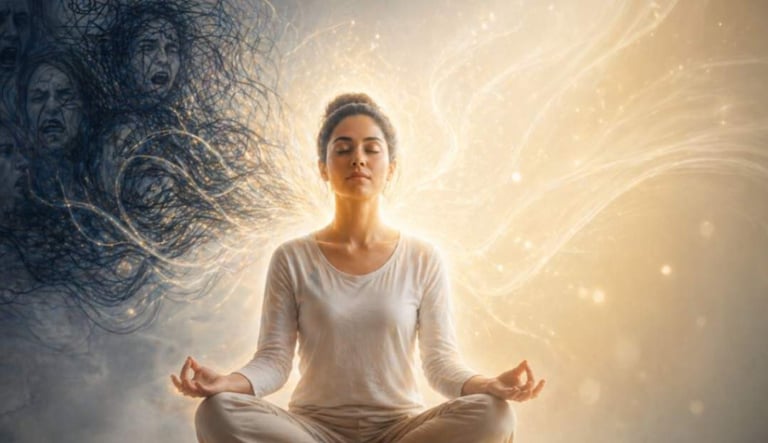
Anxiety can feel like always living in a future that has not happened yet. Reiki gently returns awareness to the present moment. Through deep relaxation and subtle energetic balancing, activating body chakras like Third Eye and Heart Chakra, it may help calm racing thoughts, soften fear-based tension, and create a greater sense of safety within. Over time, many individuals experience improved emotional stability, clearer thinking, and a more peaceful relationship with uncertainty.
How Reiki Helps Anxiety
Reduces restlessness
Eases emotional overwhelm
Supports groundedness
Helps with sleep-related anxiety
Calms the mind-body stress loop
Encourages feelings of safety and trust
For those seeking natural alternatives for anxiety, Reiki healing can be a powerful complementary practice alongside therapy, counselling, mindfulness practices, or medical care.
What Happens During a Reiki Session?
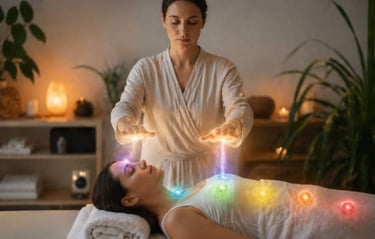
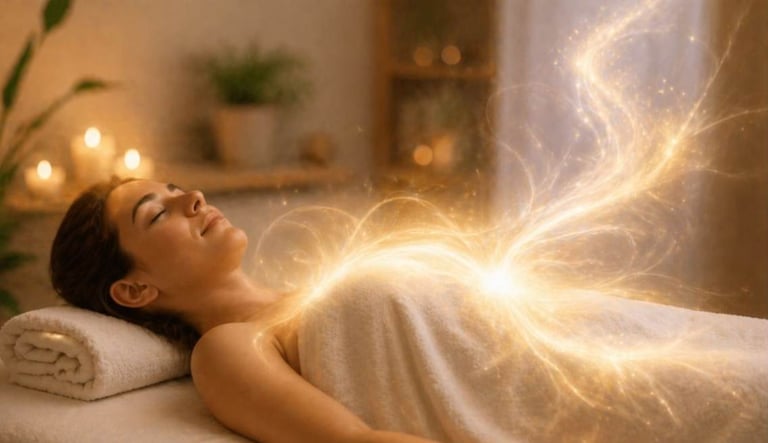
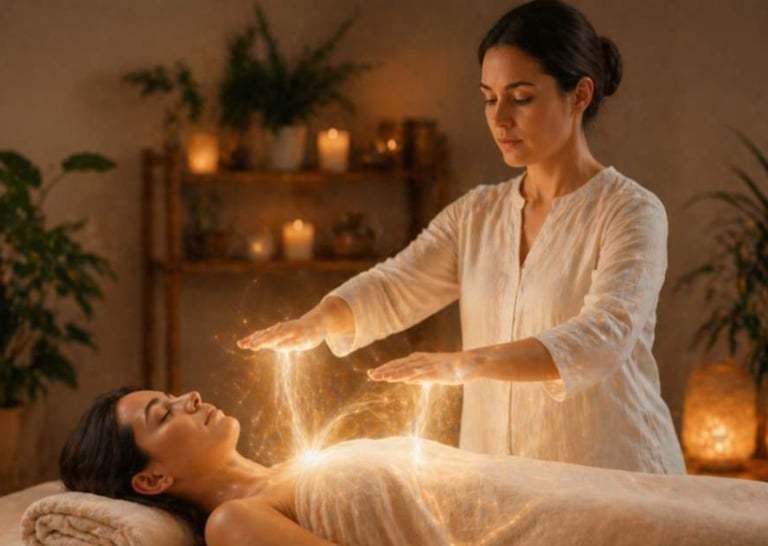
During a Reiki session, you remain fully clothed and are invited to sit or lie down comfortably in a peaceful, nurturing environment designed to promote deep relaxation. The Reiki practitioner gently places their hands lightly on or slightly above specific areas of the body, allowing the flow of healing energy to support balance and restoration. Soft music or silence may be present, creating a deep meditative atmosphere. Many individuals experience sensations such as warmth, tingling, heaviness, lightness, emotional release, or a profound sense of calm as the body gradually shifts into a deeply restorative state.
After the session, people often report feeling mentally clearer, emotionally lighter, and physically more relaxed. Some notice improved sleep, reduced stress, balanced emotions, and renewed vitality in the hours or days that follow. Every Reiki experience is unique, yet the common thread is a gentle return to inner harmony, peace, and wellbeing.
What is Distance Reiki
Distance Reiki healing is a powerful form of Reiki in which healing energy is offered remotely, allowing the recipient to receive support without being physically present. Unlike in-person Reiki, it does not rely on touch or shared location, as the practice is based on the intention that energy is not limited by space or time. Many people find distance Reiki especially effective because they can receive healing in the comfort of their own environment, where the body often feels safer, more relaxed, and naturally receptive. Also, powerful symbols are used in distance healing. It is particularly beneficial for emotional healing, stress relief, busy schedules, or when geographical distance makes physical sessions difficult. That is why Reiki is beyond any limitations.
Myths of Reiki
Myth 1: Reiki is a Religion
Reiki is not a religion. It is a healing practice that complements any belief system. People from diverse spiritual, cultural, and personal backgrounds can receive Reiki without changing their faith or worldview.
Myth 2: Reiki is Magic
Reiki is not magic. A practitioner can’t bring results by just flashing a magical wand. It is a gentle wellness modality focused on balance and relaxation. Its benefits are often experienced with time through deep calmness, emotional ease, and the body’s natural capacity to restore equilibrium. You have to be patient enough to experience its benefits.
Myth 3: You Must “Believe” for It to Work
Openness helps, but many people benefit simply through relaxation and calming effects. Much like meditation or soothing therapeutic care, the experience can be supportive even without strong prior beliefs.
Myth 4: Reiki Replaces Doctors
Reiki complements medical and psychological care—it does not replace professional treatment. It is best viewed as a supportive practice that may enhance wellbeing alongside appropriate healthcare guidance.

Who Should Not opt for Reiki?
Reiki is generally safe and gentle. However, it should not be used as a replacement for urgent medical care.
Seek immediate professional help for:
Medical emergencies
Severe psychiatric crises
Acute trauma requiring intervention
Serious symptoms needing diagnosis
Reiki can still be supportive alongside qualified healthcare guidance.
Where Can One Receive Reiki?
Reiki can be received in a variety of settings, making it an accessible and versatile healing practice for people from all walks of life. Many individuals choose to experience Reiki at certain wellness centres, health spas, holistic healing clinics, private practitioners’ spaces, retreat environments, or through distance Reiki sessions from the comfort of their homes.
In recent years, Reiki has also found a place within certain hospitals and integrative healthcare settings, where it is offered as a complementary therapy to support relaxation, emotional comfort, stress reduction, and overall wellbeing. It is often used to help patients navigate anxiety before procedures, surgeries, cope with treatment-related stress, or cultivate greater peace during recovery.
How to Become a Reiki Practitioner
Becoming a Reiki practitioner is a transformative journey of self-healing, spiritual growth, and learning to support the wellbeing of others. Training is traditionally completed in progressive levels through guidance from a qualified Reiki Grandmaster, with each stage deepening both personal practice and healing capacity.
Reiki Level 1 – Foundation & Self-Healing
This introductory or basic level entirely focuses on understanding the principles of Reiki, the history of the practice, and foundational hand positions for healing. Students primarily learn how to channel Reiki for self-care, relaxation, and supporting close family members or friends. It is often the beginning of a profound inner journey, strengthening self-awareness and connection with one’s own energy.
Reiki Level 2 – Practitioner & Distance Healing
At this stage, practitioners are introduced to sacred Reiki symbols and techniques that are traditionally used to deepen the flow of energy. Level 2 commonly includes learning how to offer Reiki professionally and how to perform distance Reiki healing beyond physical presence. Many students notice greater intuition, confidence, and sensitivity to emotional and energetic patterns during this phase.
Reiki Level 3 / Master Level – Mastery & Teaching
The Master Level represents advanced spiritual development, expanded healing practice, and a deeper embodiment of Reiki principles. Students receive advanced symbols, refine their healing presence, and may learn how to teach and attune future Reiki students. This level is not only about skill—it is about living with compassion, wisdom, integrity, and service.
Choosing the Right Teacher
Select a Reiki teacher who values authenticity, ethics, experience, and compassionate mentorship. The right guide can profoundly shape both your technical learning and your personal evolution on the Reiki path.
FAQs
1. Does Reiki really help with stress?
Many people report feeling deeply relaxed, lighter, and calmer after Reiki sessions.
2. Can Reiki help anxiety naturally?
Yes, Reiki may support anxiety relief by calming the nervous system and reducing mental overwhelm.
3. How many Reiki sessions do I need?
This varies. Some feel benefits after one session, while others prefer regular healing. It only depends the degree and intensity of the problem.
4. Is Reiki safe?
Reiki is generally considered gentle and safe as a complementary and alternative wellness practice.
5. Can Reiki be done online?
Yes, many practitioners offer distance Reiki sessions which is quite effective and convenient.
Summary
In a world hungry for peace, Reiki healing for stress and anxiety offers a gentle return to balance. Combining spiritual wisdom, emotional healing, and emerging scientific interest, Reiki helps people reconnect with calmness, clarity, and vitality.
Whether practiced alone or with mindfulness, meditation, or therapy, Reiki can become a profound ally for modern wellbeing.
About the Author
Gaurav Sharma is a dedicated Reiki Healer, wellness guide, and founder of Aura Nest Healing, fully committed to helping individuals restore inner peace, emotional balance, and spiritual harmony through compassionate holistic practices. With a heart-centred approach and a deep understanding of modern emotional challenges, he supports clients in transforming stress into strength and anxiety into awareness. His mission is to create safe, nurturing spaces where healing, self-discovery, and lasting wellbeing can naturally unfold.
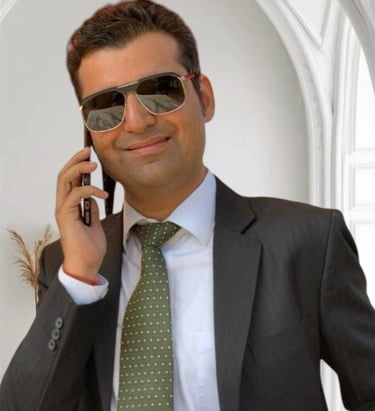
Gaurav Sharma
Reiki Grandmaster, PLR Therapist, Ho'oponopono Practitioner and Tarot Card Reader
Note of Gratitude
Thank you for taking the time to read this guide. May your journey be filled with healing, serenity, and luminous wellbeing. If this article resonated with you, share it with someone who may need peace today.
For Reiki Healing Appointment:
Timings 9:00 A.M to 06:00 P.M